


Fleet Broad Band (FBB)
Maritime Communication Foundation: Inmarsat FleetBroadband (FBB)
The maritime industry relies more than ever on continuous and reliable communication for operational efficiency, crew welfare, and most importantly, safety. FleetBroadband (FBB), Inmarsat’s flagship L-band service, has been the gold standard meeting this need for commercial vessels, fishing boats, and superyachts worldwide for over a decade.
In this article, we will examine what FleetBroadband is, how it works, and why it continues to be an indispensable technology for the maritime sector.
What is FleetBroadband (FBB)?
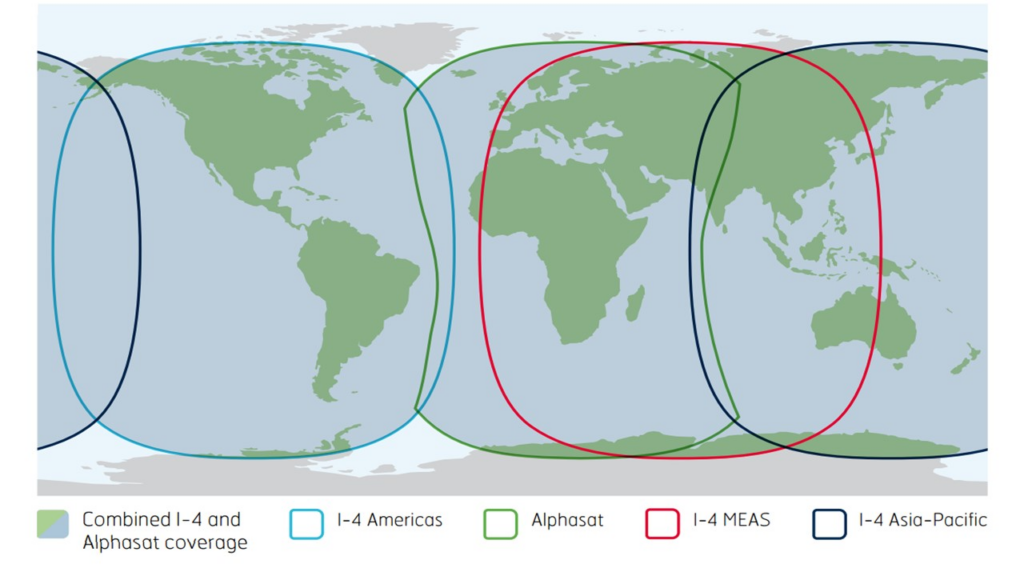
FleetBroadband is an IP-based maritime satellite communication service provided via Inmarsat’s fourth-generation (I-4) satellites. It is one of the first systems to offer simultaneous voice and broadband data services with global coverage (excluding the poles).
Bringing an experience similar to terrestrial 3G networks to the middle of the ocean, FBB allows ships to connect to the internet, send and receive emails, download weather data, and make phone calls over the same line simultaneously.
How Does It Work?
The system consists of three main components:
- Space Segment: Inmarsat I-4 satellites in orbit over the equator. These L-band satellites provide extremely reliable signal transmission and are minimally affected by weather conditions such as rain fade.
- Land Segment: Inmarsat Land Earth Stations (LES) located around the world. These stations receive satellite signals and connect them to terrestrial telecommunication networks (internet and PSTN).
- User Terminal (Ship Equipment): A stabilized antenna on board the vessel that tracks the satellite (e.g., Intellian or Cobham Sailor brand radome antennas) and a main unit managing the onboard network.
This structure provides a two-way (duplex) and “always-on” connection from ship-to-shore and shore-to-ship.
Key Features and Maritime Values of FleetBroadband
FleetBroadband’s success stems from a set of critical features it provides:
1. Simultaneous Voice and Data
One of FBB’s biggest advantages is that it allows you to make high-quality voice calls while using data at the same time. While the captain is making an urgent phone call, ECDIS chart updates can continue downloading in the background through the same terminal.
2. Reliable GMDSS (Global Maritime Distress and Safety System) Compliance
Safety comes first in maritime. Certain FBB terminals (such as the Sailor 500 FleetBroadband) can obtain GMDSS approval by integrating with Inmarsat’s legendary C-Station (SafetyNET). This means the system can be used as a primary distress and emergency communication tool for a vessel.
3. IP-Based Connectivity and Flexible Speeds
The system is offered with various terminal models suited to different needs (FBB 150, FBB 250, FBB 500). These terminals provide the necessary bandwidth for modern digital applications such as email, file transfer, corporate VPN access, and remote monitoring systems.
4. Reliability of the L-Band
VSAT (Ku/Ka-band) systems can offer higher speeds, but they can experience signal loss (rain fade) during heavy rain or storms. The L-band frequency used by FBB is much less affected by weather conditions and ensures that the connection never drops even in the harshest sea conditions. This makes it a perfect backup or primary reliable connection for VSAT.
5. Global Coverage
The Inmarsat I-4 satellite network covers all oceans of the world except the polar regions. This guarantees that wherever your ship is—whether in the middle of the Atlantic Ocean or the Singapore Strait—it will stay connected.